APT Phase Composition Analysis
Resolving chemical differences at nanoscale.
Nova Science Corner
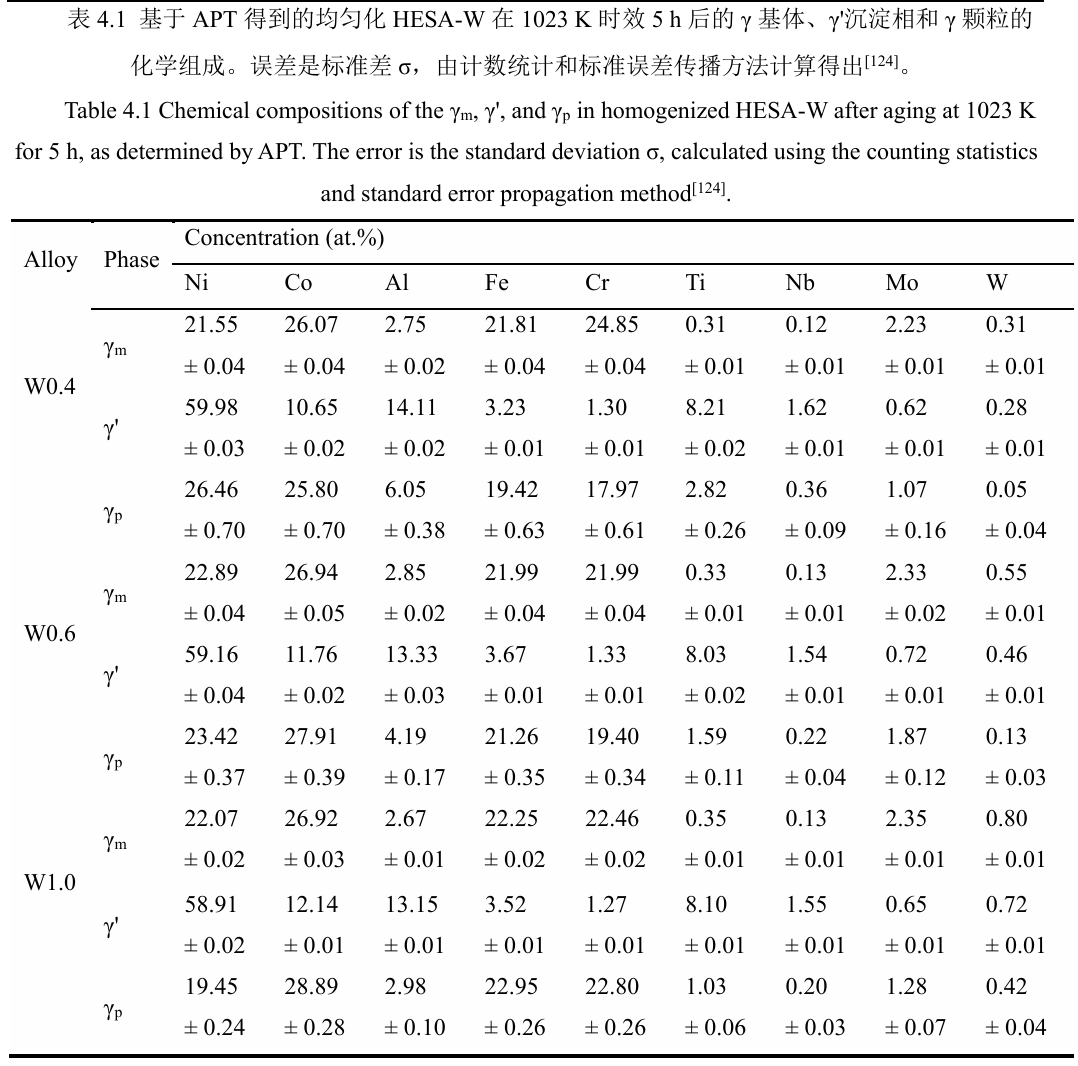
Atom Probe Tomography (APT) captures the element species and spatial locations within a material on an atom-by-atom basis. After 3D reconstruction, methods such as elemental concentration distribution, composition profiles, isoconcentration surfaces, nearest-neighbor analysis, and proximity histograms (proxigrams) can be used to quantitatively analyze the chemical composition of different phases and phase interfaces.
For materials with nanoscale precipitates, elemental segregation, or complex multiphase structures, APT resolves elemental enrichment and depletion across different regions in 3D space, revealing the elemental composition, concentration variations, and partitioning behavior of each phase. Quantitative analysis of phase interfaces further enables the study of elemental partitioning between phases and chemical gradients near interfaces.
Nova Scientific has conducted APT phase composition and elemental partitioning analysis on complex alloy systems including nickel-based superalloys and high-entropy alloys, gaining data analysis experience across different material systems. Tailored to specific material systems and research goals, we select analytical methods such as phase interface identification, composition quantification, and elemental partitioning analysis to provide atomic-scale data support for studies on phase composition and microstructural evolution.